Tampa Bay's Delivery App Death Spiral: How 30% Commissions Are Closing Local Restaurants
From Fusion Street Eatery to Rome + Fig, a wave of Tampa Bay independent restaurants have shuttered or severed ties with Uber Eats and DoorDash — and operators say platform fees are the unsustainable drain accelerating every closure.
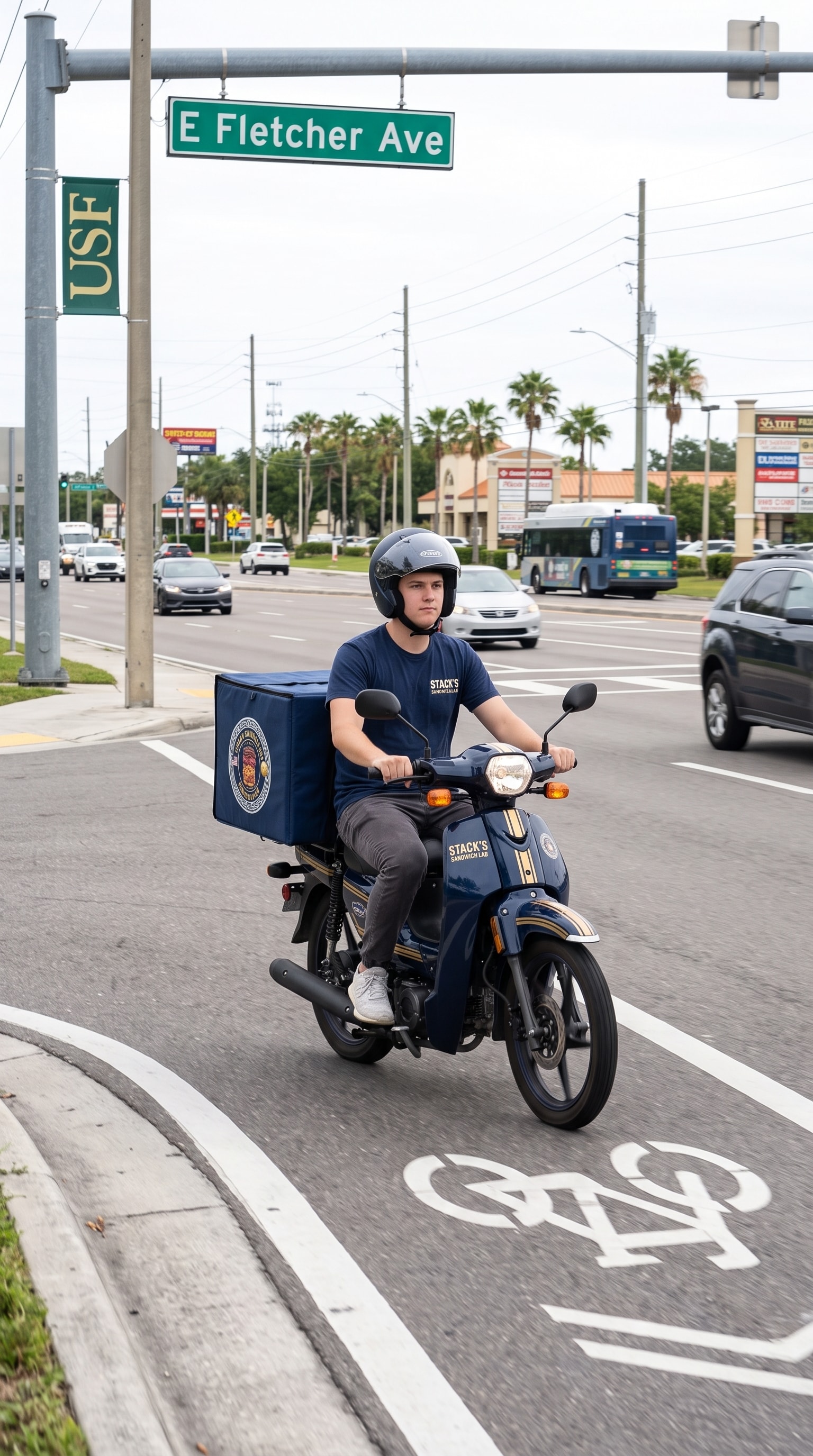
Walk down South Howard Avenue on a Friday night and the empty storefronts tell a story that Uber's quarterly earnings calls do not. Over the past two years, more than 20 independent Tampa Bay restaurants have permanently closed their doors — and while delivery app commissions are rarely the sole cause, operators across the region say the 30% platform fee has become the unsustainable drain that turns a struggling month into a final one.
Delivery apps market themselves as a lifeline for small restaurants — a plug-and-play customer acquisition channel that requires no marketing budget. The reality operators describe is closer to a loan shark arrangement: access to customers in exchange for a commission structure that consumes the entire profit margin of a typical independent restaurant, which industry benchmarks place at 3% to 9% of revenue.
The math is unforgiving. A $20 entree generating $1.60 in profit at a 8% margin becomes a $4.40 loss the moment it enters the Uber Eats ecosystem at a 30% commission rate. Operators who rely on delivery for more than 20% of their revenue are, in effect, paying customers to eat their food.
Recent Tampa Bay Closures & Delivery Pivot Examples
While delivery app fees are rarely the sole cause of a closure, they act as an unsustainable drain on cash flow when compounded by local overhead costs.
Fusion Street Eatery's closure became a flashpoint in Tampa's restaurant community when the owners publicly announced they had turned off their Uber Eats and DoorDash tablets in their final weeks — not as a protest, but because the math had become impossible. "We were doing $800 in delivery orders a night and losing money on every single one," a former employee told local food media. "The tablets were making things worse, not better."
"We were doing $800 in delivery orders a night and losing money on every single one. The tablets were making things worse, not better."
— Former Fusion Street Eatery employee, Tampa
How Local Operators Are Responding
Not every Tampa Bay operator has surrendered. Across the region, independent restaurants have developed a playbook of defensive tactics designed to either reduce platform dependency or shift the commission burden back onto consumers. The most common: menu price markups of 15% to 25% on app listings versus in-store prices — a practice Uber Eats technically prohibits but rarely enforces at scale.
Adding 15% to 25% price premiums on Uber Eats menus compared to in-store menus to offset commission costs — effectively passing the platform tax directly to consumers.
Utilizing lower-fee or flat-rate ordering systems (e.g., Toast, ChowNow) and including promotional flyers in takeout bags offering diners discounts if they order directly next time.
Moving delivery fulfillment out of high-rent dining rooms into dedicated commissary kitchens — such as local Frenchy's ghost kitchen concepts — to contain overhead and survive on thinner margins.
The ghost kitchen model represents the most radical adaptation. By moving delivery fulfillment out of high-rent dining rooms into dedicated commissary spaces, operators can strip fixed overhead costs that make 30% commissions fatal. Tampa's Frenchy's seafood brand has quietly built out ghost kitchen capacity to serve delivery demand without exposing its full-service locations to the platform fee structure.
What Tampa Bay's closure wave reveals is not a restaurant industry in decline — it is an industry being systematically extracted by platforms that have positioned themselves as indispensable infrastructure while capturing margins that make independent operation economically irrational. Until regulators or market alternatives force commission compression, the closures will continue.